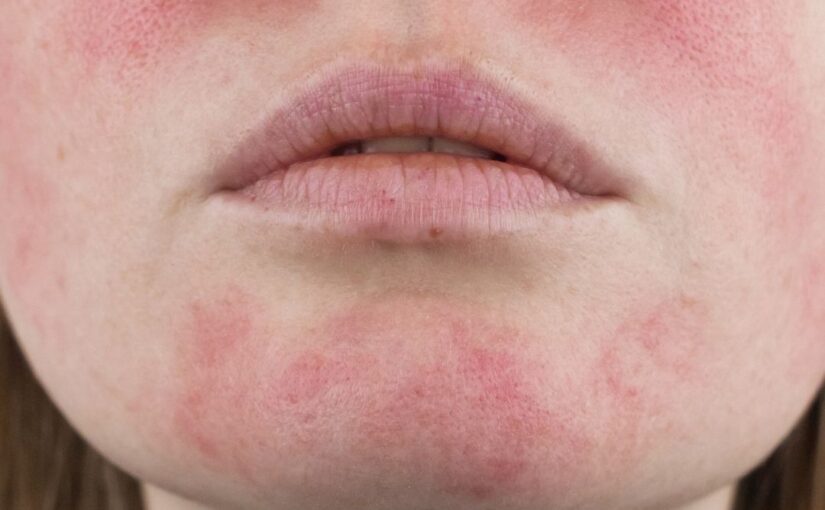
Poikiloderma of Civatte: Why Your Neck Looks Mottled

Poikiloderma of Civatte: Why Your Neck Looks Mottled

Have you noticed a reddish-brown, slightly blotchy discolouration on the sides of your neck, often with fine visible vessels, that seems to appear either sides on the neck? This is a very common presentation called poikiloderma of Civatte, and it’s frequently dismissed as “just sun damage” when the fuller picture is a little more layered, and a little more useful to understand.

What Is Poikiloderma of Civatte?

Poikiloderma of Civatte is a combination of three changes happening in the same patch of skin at once: increased pigmentation, visible thread veins (telangiectasia), and mild thinning of the skin. Rather than one concern, it’s really three overlapping ones, which is part of why it can look more stubborn than a single pigmentation mark or a cluster of visible vessels on their own.

Why the Neck Shows This Pattern More Than Almost Anywhere Else

The sides and front of the neck carry significant cumulative UV exposure over a lifetime — far more than most people realise, because so little of it comes from deliberate sun-seeking. Daily incidental exposure (driving, walking, sitting near a window) adds up over decades. At the same time, the neck has thinner skin and fewer oil glands than the face, which makes it less resilient to that exposure and slower to recover from it. The result is a concern that tends to show up here first, and more visibly, than on skin that’s better equipped to handle the same UV load.

The Telltale Sign: Why It Spares the Chin

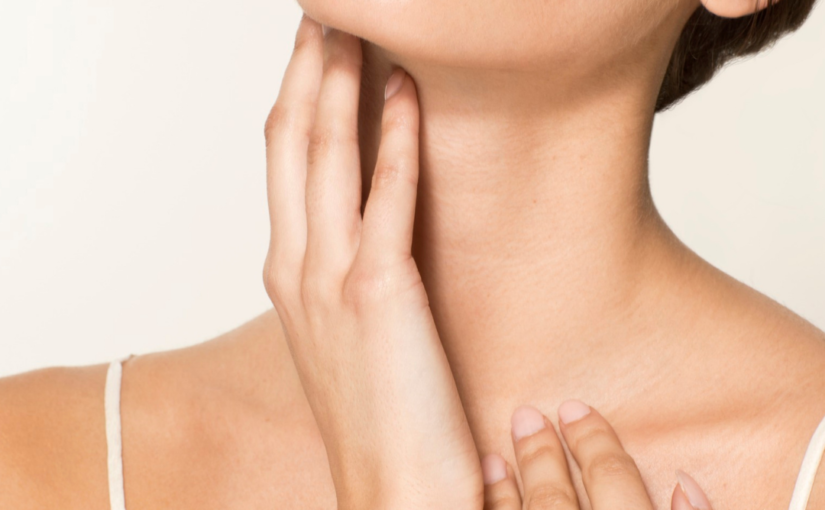
One of the clearest ways to recognise poikiloderma of Civatte is the pattern itself. It typically appears on the sides and front of the neck but not directly underneath the chin, because the chin casts a natural shadow that shields that small area from direct UV exposure year after year. In effect, the discolouration is a visual record of sun exposure accumulated over decades — a map of where UV has and hasn’t reached.

The Perfume Habit Most People Have Never Been Told About

This is the part that catches most people out: spraying perfume directly onto the neck and then heading out into daylight can actively contribute to poikiloderma of Civatte. Many fragrances contain photosensitising compounds, bergamot oil and other citrus-derived ingredients are common examples, which react with UV light on the skin. This is known as a phototoxic response, and it increases inflammation and pigmentation in exactly the area the perfume was applied.

On its own, one instance of this makes little difference. But repeated over years — perfume on the neck, then out into the sun, again and again — this habit can meaningfully contribute to the mottled pigmentation and vessel changes associated with poikiloderma of Civatte.

What Actually Helps

Because poikiloderma of Civatte has three components working together — pigment, vessels, and skin thinning — addressing it properly usually calls for more than a single approach.

In clinic, treatments that target pigment and vessels together, such as IPL (Intense Pulsed Light), tend to give the most noticeable improvement. This is typically most effective alongside a homecare routine that supports the skin’s barrier function and helps manage pigment production between sessions — treating the visible change without supporting the skin underneath it rarely holds up over time.

At home, two changes make the biggest long-term difference, and both are straightforward to build into an existing routine:

Apply SPF to the neck and décolletage every day, not just the face, this area is one of the most commonly missed when it comes to daily sun protection, despite carrying just as much cumulative exposure.

If you wear perfume, spray it onto clothing or hair rather than directly onto sun-exposed neck skin, particularly before spending time outdoors.

Why Understanding the Cause Matters More Than Chasing a Quick Fix

Poikiloderma of Civatte tends to develop slowly, over years rather than weeks, and it’s far easier to manage and improve in its earlier stages than to reverse once it’s well established. Understanding what’s driving it now — rather than after years of the same habits — makes a meaningful difference to how well it responds to treatment, and how much of that improvement holds over time.

Frequently Asked Questions

Is poikiloderma of Civatte the same as sun damage? It’s related to sun exposure, but it’s more specific than general sun damage. It’s a combination of three distinct changes — pigmentation, visible vessels, and skin thinning — that develop together in areas of high cumulative UV exposure and lower resilience, such as the sides of the neck.

Can perfume really cause skin discolouration? Yes, in the right circumstances. Certain fragrance ingredients, particularly bergamot oil and other citrus-derived compounds, are photosensitising. When perfume is applied to the neck and then exposed to UV light, it can trigger a phototoxic reaction that increases pigmentation and inflammation in that exact area — a habit that, repeated over years, can contribute to poikiloderma of Civatte.

Why does the discolouration avoid the area under the chin? Because that small area is naturally shaded by the chin itself, it receives far less direct UV exposure than the sides and front of the neck over a lifetime. The pattern of poikiloderma of Civatte essentially traces where sun exposure has and hasn’t reached.

What’s the most effective treatment for poikiloderma of Civatte? Because it involves pigment, vessels, and skin thinning together, treatments that address pigment and vessels simultaneously — such as IPL — tend to be most effective, particularly when combined with a supportive homecare routine and consistent daily SPF.

Ready to Understand What’s Driving Your Skin’s Presentation?

If you’d like an honest, professional assessment of what’s contributing to the discolouration on your neck and how to address it, we are happy to talk it through. Follow here and book your 10 min phone call or go straight for a consultation to get started on your journey to clear your skin.

RE Skin clinic Sheffield – The place where skin dreams come true!

What’s Happened to Your Skin During the Summer Months

What’s Happened to Your Skin During the Summer Months


As the warm, sunny days of summer start to wind down, many of us are left with wonderful memories of holidays, outdoor adventures, and time in the sun. But while we’ve been enjoying the season, our skin has often been facing a very different story. Summer can be both beautiful and brutal for our skin, and as we move into autumn, now is the perfect time to take stock of what your skin has gone through and how to restore balance.

Sun Exposure & UV Damage

Even with diligent SPF use, our skin is often exposed to more UV radiation during summer than any other season. This can lead to:

• Dehydration and dryness from heat and sun.

• Sunspots or pigmentation as melanin production increases to protect the skin.

• Accelerated ageing with fine lines and reduced elasticity from UV-induced collagen breakdown.

• Increased sensitivity if the skin barrier has been compromised.

Heat, Sweat & Breakouts

The warmer months often mean increased sweating and oil production, which can clog pores and lead to breakouts or congestion. Combine that with layers of sunscreen, makeup, and time outdoors, and your skin may have struggled with:

• Blocked pores and blackheads

• Heat rashes or irritation

• Inflammation or flare-ups in conditions like acne, rosacea, or eczema

Dehydration from the Elements

Between sun, saltwater, chlorine, and air conditioning, summer can be incredibly dehydrating. Dehydrated skin may look dull, feel tight, or even overproduce oil in an attempt to compensate.

Pigmentation Changes

Even if you avoided visible sunburn, you may have noticed:

• Freckles or sunspots becoming more prominent

• Uneven skin tone or patches of pigmentation

• Darkening of existing scars or marks

Barrier Disruption

With constant exposure to UV, heat, and environmental aggressors, the skin’s protective barrier can become impaired. UV actually oxidises those important lipids that make up the skin’s natural barrier. When this happens, skin feels more sensitive, reactive, or prone to redness.

How to Help Your Skin Recover Post-Summer

The good news is, skin is incredibly resilient when we give it the right care. As we move into autumn, this is the perfect time to:

• Hydrate deeply with serums and moisturisers that restore water balance.

• Repair and strengthen the barrier with nourishing, skin-replenishing ingredients.

• Exfoliate gently to remove summer build-up and brighten the complexion.

• Treat pigmentation with targeted professional treatments and products.

Book a professional skin assessment to understand what your skin really needs moving forward.

✨ Final Thought

Your skin tells the story of the summer you’ve had. While it may be carrying the effects of sun, heat, and environmental stress, with the right post-summer reset you can restore its health, glow, and resilience. Autumn is the perfect season to give your skin the extra love it deserves and set it up for the cooler months ahead, as well as being the ideal time to get started on those treatments that aren’t always suitable during the summer months.

If you feel your skin needs professional help, book in your skin consultation to get you started on the journey to healthier, more radiant skin.

Skin Conditions 101: Adult Acne

Skin Conditions 101: Adult Acne


Understanding your skin is the first step to healing it.

If you’ve ever looked in the mirror and asked yourself, “Why am I still getting breakouts?”—you’re not alone. Acne is one of the most common skin concerns I treat in clinic, yet it remains one of the most misunderstood.

Let’s clear something up (pun intended): acne is not just a teenage problem. In fact, adult acne—especially in women over 25—is becoming increasingly common, and the root causes can be very different from the ones you faced in your teenage years.

What Is Acne, Really?

At its core, acne is an inflammatory skin condition. It begins when pores become blocked with a combination of excess sebum (oil), dead skin cells, and often bacteria. This congestion can lead to various forms of acne—from small whiteheads and blackheads to inflamed red pimples, deep cysts, and painful under-the-skin nodules.

But here’s the key: the type of acne you have—and what’s causing it—is unique to you. That’s why generic, one-size-fits-all products and trending TikTok remedies often miss the mark.

What Causes Acne?

There’s rarely a single cause. Acne is multifactorial, and some of the most common contributors I see in clinic include:

• Hormonal fluctuations (particularly around your menstrual cycle or in conditions like PCOS)

• Stress, which increases cortisol and ramps up oil production

• Gut health imbalances, poor digestion, and inflammation from within

• Incorrect skincare products—too harsh, too rich, or simply not suited for your skin type

• Dietary triggers, especially refined sugar and dairy in some individuals

• A compromised skin barrier, which keeps the skin in a reactive, inflamed state

The important thing to understand? Acne is a symptom. Long-term results come from treating the cause, not just the surface.

Why Over-the-Counter Fixes Don’t Always Work

Most off-the-shelf acne products are designed to do one thing: dry out oil or kill bacteria. While this can sometimes provide temporary relief, it often comes at a price—a damaged skin barrier.

If your skin feels tight, flaky, or stings after using your skincare, chances are your barrier is compromised. And once that barrier is weakened, inflammation worsens, breakouts continue, and the cycle repeats.

In clinic, I often work with clients who feel like they’ve “tried everything.” But once we calm their skin, nourish the barrier, and address what’s happening beneath the surface, we finally start seeing meaningful change.

What You Can Do Right Now

While your skin is unique and deserves a tailored plan, here are some universal tips that can help you take the first step:

1.Simplify your skincare – A gentle cleanser, a balancing serum, and a non-comedogenic moisturiser are the perfect foundation.

2.Avoid harsh scrubs and alcohol-based toners – These damage your skin barrier and prolong healing.

3.Don’t skip hydration – Even oily or acne-prone skin needs water. In fact, dehydration can cause more oil production.

4.Get expert guidance – That’s where I come in.

How We Treat Acne in Clinic

Our approach to acne is holistic, personalised, and barrier-focused. Here’s what that looks like:

• We identify your unique root triggers.

• We design a treatment plan tailored to your skin’s needs and your lifestyle.

• We support the skin barrier, calm inflammation, and balance oil production.

• We incorporate advanced in-clinic treatments such as:

• LED light therapy.

• Byonik Pulse laser.

• Barrier-repair protocols.

• We recommend targeted homecare products that work with your skin—not against it.

Our goal isn’t just to achieve “clear skin”—it’s to build calm, healthy, resilient skin that stays clear for the long term.

Ready to Take the First Step?

Whether you’re experiencing the occasional hormonal breakout or dealing with persistent, cystic acne, you don’t have to navigate it alone.

Book a skin consultation with me today, and let’s start your journey toward healthy, confident skin—backed by education, support, and proven strategies.

The Benefits of At-Home LED Masks

The Benefits of At-Home LED Masks


The Benefits of At-Home LED Masks: How Red and Near-Infrared Light Support Healthy, Glowing Skin

In the ever-evolving world of skincare, at-home LED light therapy masks have quickly become a go-to tool for anyone looking to elevate their routine with professional-grade technology. What was once only available in clinic settings is now accessible at your fingertips—and when used consistently, these devices can deliver powerful, visible results. But what exactly do they do, and why are red and near-infrared light the stars of the show? Let’s dive in.

Why LED Light Therapy?

LED (light-emitting diode) therapy works by delivering specific wavelengths of light to the skin, where it penetrates at varying depths and triggers a range of biological processes. Unlike UV rays, LED light is non-invasive and non-damaging—it doesn’t burn or harm the skin, making it completely safe for regular use.

The standout wavelengths for skin health are red light (usually around 630–660 nm) and near-infrared light (around 800–850 nm). These two work deeper within the skin layers to stimulate repair, regeneration, and resilience.

The Power of Red Light: Collagen, Circulation, and Calm

Red light is one of the most researched wavelengths for skin rejuvenation, and for good reason. When applied consistently, red light therapy can:

• Stimulate collagen and elastin production: Red light activates fibroblasts, the cells responsible for producing collagen and elastin. This supports skin structure and elasticity, helping to soften fine lines and firm sagging skin.

• Boost blood circulation: Improved circulation means better delivery of oxygen and nutrients to skin cells, enhancing overall skin tone and radiance.

• Soothe inflammation: Whether you’re dealing with rosacea, post-treatment sensitivity, or general redness, red light has calming properties that can reduce inflammation and support a more even complexion.

In short, red light therapy is your skin’s personal trainer—encouraging stronger, healthier cells and helping your complexion look smoother, plumper, and more vibrant.

Near-Infrared Light: Deep Healing for Resilient Skin

Near-infrared (NIR) light goes even deeper than red light, reaching into the lower dermis and even sub-dermal tissues. While you can’t see NIR light with the naked eye, your skin certainly feels the benefits. Here’s what it can do:

• Support wound healing and tissue repair: NIR light stimulates mitochondrial activity (your cells’ energy production centers), accelerating recovery from inflammation, injury, or treatment-related trauma.

• Calm chronic inflammation: Inflammation is one of the root causes of premature skin ageing. NIR light helps to regulate inflammatory responses, supporting long-term skin health.

• Strengthen the skin barrier: With better cellular energy and less inflammation, your skin barrier becomes more resilient, improving hydration retention and protection against environmental stressors.

This makes NIR light a fantastic option for those with ageing or sensitised skin, or anyone looking to support the skin’s long-term repair mechanisms.

The At-Home Advantage

At-home LED masks offer a convenient and effective way to maintain your skin between in-clinic treatments. Consistency is key—most devices are designed for use several times a week, and results build gradually over time. Think of it like going to the gym for your skin: the more you commit to it, the more visible and lasting the results.

Whether you’re managing signs of ageing, improving skin recovery, or simply wanting a glow-up, red and near-infrared LED therapy can become a cornerstone of your skincare journey. With regular use, these masks help enhance collagen production, reduce inflammation, and leave your skin looking healthier, brighter, and more youthful.

Ready to try LED light therapy at home?

Our FDA cleared home LED light therapy device is the perfect addition to your skincare routine, take a look here

Skincare Essentials for Your Best Skin Throughout the Years

Skincare Essentials for Your Best Skin Throughout the Years


As we age, our skin’s needs evolve, and what works in our 30s won’t necessarily be enough in our 50s. In your 30s, the focus should be on prevention. Antioxidant-rich serums like Vitamin C help combat free radicals, while a daily SPF protects against sun damage, the leading cause of premature aging. Hydrating ingredients such as hyaluronic acid maintain plumpness and glow. Moving into your 40s, collagen production begins to slow, so incorporating retinoids to support skin renewal, peptides for firming, and richer moisturisers to combat dryness becomes essential. By the time you reach your 50s and beyond, skin becomes thinner and more prone to sagging. Growth factors, ceramides, and lipid-rich creams help restore the skin’s barrier function, while professional treatments like microneedling or laser therapy can significantly boost collagen production and improve overall skin texture.

Regardless of age, some skincare steps remain essential. Daily sun protection with SPF 30+ is the single most important anti-aging measure. Cleansing properly and following up with hydrating serums and moisturisers keep the skin barrier strong and resilient. Targeted treatments, such as using antioxidants in the morning, retinoids at night, and weekly exfoliation, ensure a brighter and smoother complexion. Beyond skincare, lifestyle factors play a huge role, managing stress, getting enough sleep, and maintaining a nutrient-rich diet all contribute to optimal skin health.

Minimising lines and wrinkles requires a holistic approach. Diet plays a crucial role, collagen-boosting foods like bone broth, salmon, and berries, along with adequate hydration, help maintain skin elasticity. Lifestyle choices, such as avoiding smoking, excessive alcohol, and unprotected sun exposure, prevent premature aging. Regular exercise increases circulation, delivering oxygen and nutrients to the skin. From a skincare perspective, retinol, peptides, and SPF should be staples in any anti-aging routine. For those looking for more advanced solutions, in-clinic treatments such as radio frequency, microneedling, and laser resurfacing help refine texture, even out pigmentation, and stimulate collagen production.

The earliest signs of aging often appear as fine lines around the eyes and mouth. These can be addressed with retinoids and hydrating eye creams that plump and smooth the skin. Loss of radiance is another common concern, which can be improved with Vitamin C serums and regular exfoliation to remove dull, dead skin cells. Sagging, which is often due to a loss of collagen and elastin, can be managed with facial massage, Gua Sha, and professional treatments like radiofrequency. For those open to cosmetic procedures, Botox prevents deep wrinkles from forming, while collagen-boosting treatments such as Exosomes or Radio frequency offer natural-looking lifting effects. Each procedure varies in cost, downtime, and risk, so consulting a skincare professional for personalised advice is always recommended.

Ultimately, maintaining youthful, healthy skin is a combination of consistent skincare, smart lifestyle habits, and, when needed, professional treatments. By taking a proactive approach, you can ensure your skin remains radiant and resilient at any age.

Do you have your skin essentials in place? If not, and you need help to create a personalised approach to your skin health then our in-depth consultations are your first step. We can go through your skin concerns, current skin condition, skin history, health, lifestyle and anything else we feel will be impacting your skin, and make a plan to create your best skin. Book your consultation here.

Biohacking the Skin

Biohacking the Skin

Have you ever wished you could slow down the ageing process, enhance your skin’s natural repair mechanisms, and achieve a radiant, youthful glow – all at a cellular level?

Welcome to the world of biohacking, where science and technology come together to optimise your skin’s health from the inside out.

What is Biohacking?

Biohacking is the process of using science backed strategies to improve your body’s performance, longevity, and overall wellness. In skincare, this means harnessing advanced treatments that work with your skin’s natural biology to stimulate regeneration, enhance cellular function, and slow down the ageing process.

At re/skin we have the revolutionary Byonik Pulse-Triggered Laserand its our most poular treatment for a reason – so popular we have 2! This treatment literally syncs with your heartbeat to rejuvenate your skin at the depest level.

biohacking the skin to reverse skin ageingHow the byonik Laser Biohacks Your Skin

Unlike most traditional lasers that rely on heat to cause a trauma to the skin, the Byonik works in perfect harmony with your body’s natural rhythms. It uses:

Pulse-triggered Technology: The laser pulses in sync with your heartbeat, delivering the energy when your cells are most receptive, ensuring maximum benefit.

Red & Near-Infrared Light Therapy: Reduces inflammation, repairs damaged cells, strengthens the skin’s barrier, energises the skin cells, and triggers rejuvenation.

Hyaluronic Acid Infusion: Deep hydration plumps and nourishes the skin, and increases cell-to-cell communication.

Antioxidants: Infused into the skin cells by osmosis, antioxidants protect the cells against damage and free radical activity from within.

The result? Stronger, healthier, and visibly younger-looking skin – without pain, downtime, or trauma.

The skin actively acts younger, has more energy, and can function at its optimum. It’s literally like turning the clock back on our own skin cells! Just check out our clients results here.

So what are you waiting for? If you’re looking for the next level in skin-care, and want to experience true skin biohacking, book your Byonik session today! We can’t wait to help you unlock the power of Biohacking for your skin!


The Wellness Edit – Stress and the Skin

The Wellness Edit – Stress and the Skin

Stress and Skin: The Hidden Connection

We all experience stress—it’s part of life. But did you know that stress can significantly impact the health and appearance of your skin? Whether it’s the occasional tough week or long-term pressures, stress can trigger everything from breakouts to premature aging.

When you’re stressed, your body releases cortisol, a hormone that affects nearly every system in your body—including your skin. Prolonged stress can lead to inflammation, increased oil production, and compromised skin barrier function. Over time, this can result in dullness, breakouts, redness, or even flare-ups of conditions like eczema or rosacea.

How Stress Affects Your Skin:

• Breakouts and Blemishes: Elevated cortisol levels stimulate oil production, which can clog pores and cause acne.

• Premature Aging: Stress reduces collagen and elastin production, leading to fine lines, wrinkles, and sagging skin.

• Redness and Sensitivity: Stress-induced inflammation can worsen conditions like rosacea or cause redness and irritation.

• Dull, Dehydrated Skin: Stress impacts hydration levels, leaving skin looking lackluster and tired.

• Slower Healing: High stress levels can delay your skin’s natural repair processes, making it harder to recover from breakouts or treatments.

How to Support Your Skin During Stress

The good news is that managing stress can help you maintain a glowing complexion. Here’s how to care for your skin during stressful times:

1. Prioritize Relaxation: Practices like mindfulness, yoga, and deep breathing can help calm your body and mind. A relaxed state means lower cortisol levels, which benefits your skin.

2. Skincare for Stressed Skin: Use gentle, hydrating products that strengthen your skin barrier. Look for ingredients like hyaluronic acid, ceramides, and antioxidants to repair and protect

3. Supplement Smartly:

• Rejuvented Cellular Calm Complex contains a unique blend of nootropics, adaptogens and vitamins to restore a state of balance throughout the body, alleviating symptoms of physical and emotional stress, which in turn helps to reverse biological ageing at a cellular level.

4. Book a Relaxing Treatment: Indulge in a facial or a SLIMYONIK lymphatic drainage session at our clinic to help reduce stress, improve circulation, and rejuvenate your skin.

Long-Term Strategies for Stress Management:

Exercise Regularly: Boosts circulation and releases feel-good endorphins.

Healthy Nutrition: A balanced diet rich in antioxidants and omega-3s can counteract the effects of inflammation.

Sleep Well: Quality sleep helps your body reset and repair, leaving both your skin and mind refreshed.

Take the First Step Toward Stress-Free Skin

If stress is showing on your skin, it’s time to take action. From effective supplements to personalised skincare treatments, we’re here to help you regain your glow. Book your appointment here and shop our supplements here.

Coming Soon: Our Next Wellness Edit

In the next instalment, we’ll explore the powerful role hydration plays in achieving healthy, vibrant skin—from the inside out.

Here’s to calm minds, healthy skin, and confident living!

Thank you for reading.

The Wellness Edit – The Lymphatic System

The Wellness Edit – The Lymphatic System

Your Lymphatic System: The Unsung Hero of Wellness

Did you know your lymphatic system is your body’s internal housekeeping service? This vital network of vessels and nodes works tirelessly to flush out toxins, support immune health, and reduce swelling. But unlike your blood system—which has the heart as its pump—your lymphatic system doesn’t have a pump of its own. Instead, it relies on the movement of your body to keep things flowing.

When we’re active, walking, or stretching, we naturally stimulate our lymphatic flow. But with many of us sitting for long periods of time—whether at work, commuting, or relaxing—the lymphatic system can become sluggish. This can lead to fluid retention, puffiness, dull skin, and even that heavy, tired feeling.

Why Stimulate Your Lymphatic System?
When your lymphatic system is working at its best, it helps your body function optimally. Here’s what a healthy lymphatic flow can do for you:

• Improved Detoxification: Efficiently clears out waste, toxins, and unwanted fluids.
• Reduced Puffiness: Relieves bloating and water retention for a lighter, sleeker feeling.
• Boosted Circulation: Enhances blood flow to nourish your skin, giving you a natural, healthy glow.
• Better Immune Support: Helps your body fend off illness by removing toxins and pathogens.
• Enhanced Energy Levels: Say goodbye to sluggishness as your body works more efficiently.

Introducing SLIMYONIK: Your Lymphatic Flow Boost
To combat the effects of a sedentary lifestyle and give your lymphatic system the support it deserves, we offer the SLIMYONIK Air Bodystyler, an advanced lymphatic drainage treatment.
What makes SLIMYONIK unique?
The SLIMYONIK treatment uses gentle air pressure to stimulate your lymphatic flow, mimicking the effects of exercise on your body’s natural detox system.

It’s completely non-invasive and incredibly relaxing, providing immediate results that leave you feeling rejuvenated and refreshed. You can have it standalone or as an add-on to your favourite re/skin treatment.

Here are the key benefits of SLIMYONIK:
• Encourages lymphatic drainage to reduce puffiness and fluid retention.
• Promotes smoother, firmer, and healthier-looking skin.
• Aids in detoxification, supporting post-treatment recovery or a wellness boost.
• Helps combat the effects of sitting for long periods by reactivating your lymphatic system.
• Delivers deep relaxation, allowing you to recharge mind and body.

Is SLIMYONIK Right for You?
Whether you’re managing post-treatment recovery, battling bloating, or simply looking for a wellness reset, SLIMYONIK is a powerful way to support your body’s natural detox and renewal process.
Don’t Let a Sluggish Lymphatic System Hold You Back
Book your SLIMYONIK session today and discover the transformative benefits of a healthy, flowing lymphatic system.

The Wellness Edit – Alcohol and it’s impact on the skin

The Wellness Edit – Alcohol and it’s impact on the skin

Welcome to the Wellness Edit.

As we step into January, it’s the perfect time to focus on wellness. At re/skin, we understand the deep connection between overall wellness and the health of your skin. That’s why we’re dedicating this month to The Wellness Edit—a series of discussions and insights to empower you with the knowledge to nurture your skin from the inside out.

Our first topic is one that’s particularly timely: alcohol and its impact on the skin and body. With many embracing Dry January, including our founder Rebecca, it’s a great opportunity to reflect on how reducing alcohol consumption can benefit your skin.

Alcohol, while often part of our social lives, can have significant effects on our skin’s health. It dehydrates the skin, weakens the skin barrier, and can lead to inflammation and redness. Over time, it may contribute to premature aging, dullness, and potentially permanent redness. Reducing your intake—or taking a break entirely—allows your skin to rehydrate, restore, and radiate a healthier glow.

Wellness Tip of the Month:

Start your day with a glass of warm water and fresh lemon. This simple ritual hydrates your body, supports digestion, and delivers a dose of Vitamin C to boost your skin’s natural glow and immunity.

We’re excited to help you make this January a fresh start for both your skin and your overall well-being. Stay tuned for more from The Wellness Edit, and as always, reach out if you’d like to book a consultation or treatment.

How to get Glowing Skin for the Festive Party Season

How to get Glowing Skin for the Festive Party Season

The festive season is a time for joy, laughter, and unforgettable gatherings. However, it can also be stressful, with packed schedules, late nights, and indulgent treats—all of which can take a toll on your skin. If you want to look your radiant best for every party and celebration, now is the time to start prepping your skin. In this guide, we’ll take you through a personalised skincare plan, in-clinic treatments, supplements, self-care tips, and more to ensure your skin glows with confidence.

1. Personalised Skincare Plan

Every skin type is unique, so your skincare routine should be too. Here’s a general breakdown:

a. Cleanse:
A gentle yet effective cleanser is essential to remove dirt, oil, and makeup without stripping your skin. For dry skin, opt for a creamy cleanser, while those with oily or acne-prone skin may benefit from a gel-based cleanser. Our favourites and a staple in all of our skincare plans is the Dermaviduals Cleansing Milk or Gel. Formulated to be identical to the skins lipids its gentle yet effective at cleansing the skin.

b. Exfoliate:
Exfoliation removes dead skin cells, leaving your complexion smoother and more radiant. Use a chemical exfoliant with AHAs (like Lactic acid) or BHAs (like salicylic acid) 1–2 times a week, tailored to your skin’s needs. Avoid over-exfoliating, as it can damage your skin barrier. If you have a dry or sensitive skin, avoid the chemical exfoliants and opt for enzymes, such as the Dermaviduals Enzyme retexturing powder.

c. Hydrate:
Hydration is non-negotiable. A hyaluronic acid serum can plump up your skin, while a ceramide-rich moisturiser helps repair and protect your barrier. The Byonik Hyaluron Power and Seal are our go to’s here.

d. Brighten:
Incorporate antioxidants like vitamin C to brighten your skin tone and protect against oxidative stress. Alumier EverActive C&E Serum is the perfect Vitamin C serum with peptides and antioxidants.

e. Protect:
No matter the season, sunscreen is your best friend. Use a broad-spectrum SPF 30 or higher every day to shield your skin from UV damage. Our favourite is the Evy Technology face Defence, long lasting with UVA, UVB, and Blue light protection.

2. In-Clinic Treatments

Professional treatments can supercharge your results and target specific skin concerns. Book these treatments at least 2–3 weeks before your big events for optimal results:

a. Byonik Pulse Triggered Laser.
Energises the skin cells, intensively repairs, rejuvenates and deeply hydrates the skin, its the perfect pre-party treatment to give you that glow to last all night long!

b. Microneedling:
This collagen-boosting treatment improves skin texture, reduces fine lines, and enhances radiance. It does involve a little downtime so perfect a week before an event.

c. LED Light Therapy:
Red and blue light therapy can reduce inflammation, boost collagen, and calm acne-prone skin.

d. Skin Tightening Treatments:
Radiofrequency treatments such as our Endymed treatment can firm and lift the skin, giving you an immediate youthful, sculpted look.

3. Supplements for Skin Health

Our skin receives any resources from the body last, so its important to support your skin from within by incorporating targeted supplements:
• Collagen Peptides: Boost elasticity and hydration by promoting collagen production.
Omega-3 Fatty Acids: Found in fish oil or flaxseed oil, omega-3s reduce inflammation and keep skin supple.
Vitamin C & Zinc: Both are vital for repairing and protecting your skin.
Probiotics: A healthy gut can lead to clearer, more balanced skin.
• Electrolytes: Essential for the absorption of hydration into those skin cells. Our Rejuvenated H30 Hydration is our go to here, especially for that post party hydration boost!

4. Self-Care Practices

Glowing skin is a reflection of a balanced lifestyle. Incorporate these self-care habits:

a. Hydration:
Drink plenty of water throughout the day. Herbal teas like chamomile or green tea can also hydrate and soothe.

b. Sleep:
Beauty sleep is real. Aim for 7–8 hours of quality rest to allow your skin to repair and regenerate.

c. Stress Management:
Stress can exacerbate skin issues. Practice mindfulness, yoga, or meditation to stay calm and centered.

d. Facial Massage:
Use a jade roller or gua sha tool to improve lymphatic drainage, reduce puffiness, and promote blood circulation.

e. Clean Beauty Tools:
Wash your makeup brushes and clean your pillowcases regularly to avoid bacterial buildup.

Your Festive Skin Timeline

4–6 Weeks Before:
• Begin your in-clinic treatments and adjust your skincare routine. This will be tailored to your skins needs
• Introduce supplements into your daily regimen.

2–3 Weeks Before:
• Book a final facial; Byonik treatments or LED light therapy session for a polished glow.
• Avoid any aggressive treatments to prevent downtime.

The Week Of:
• Stick to your personalised skincare plan.
• Book your pre-party Byonik Treatment a day or 2 before.
• Hydrate and focus on calming products to avoid irritation.

The Day Of:
• Exfoliate lightly for smooth skin, then apply a hydrating mask before makeup. Even better if you have an at home LED device for that added glow.

By following this holistic approach to skincare, you’ll be ready to step into the festive season looking and feeling your best. Glowing skin is about consistency and care, so start early and treat your skin like the star it is!

Are you ready to transform your skin this festive season? Book a consultation with our clinic today for personalised guidance and treatments tailored just for you!

* For any products not linked please drop us an email for information