
Uneven skin tone and pigmentation are among the most common skin concerns we see in clinic, and also some of the most complex to treat effectively
Whether you are dealing with sun spots, melasma, post-breakout dark marks, or general unevenness in your skin tone, pigmentation has a way of making the skin look tired, older, and less vibrant. The good news is that with the right approach, real and lasting improvement is achievable.
Understanding Pigmentation
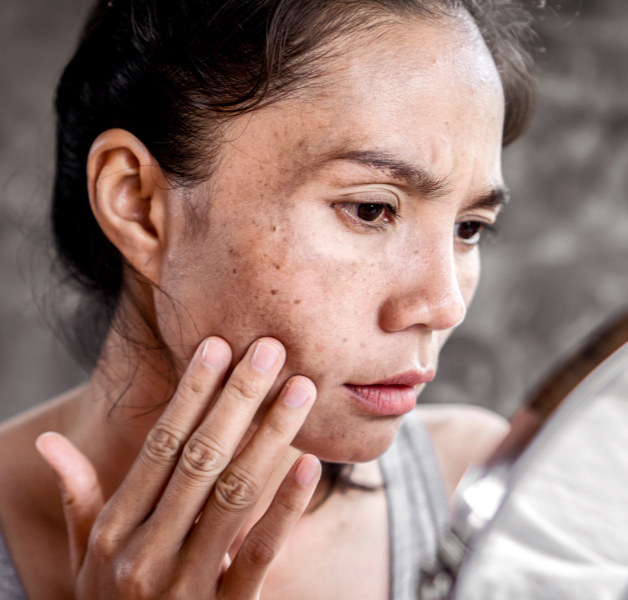
Pigmentation disorders occur when melanin, the pigment responsible for skin colour, is produced unevenly or in excess. This is triggered by specialised skin cells called melanocytes, which respond to UV exposure, heat, hormonal signals, inflammation, and trauma by producing melanin. In pigmentation-prone skin, this response is exaggerated, depositing more pigment than necessary in specific areas.
The most common forms include solar lentigines (sun spots or freckles caused by cumulative UV damage), melasma (symmetrical patches often driven by hormonal changes, appearing typically on the cheeks, forehead, and upper lip), and post-inflammatory hyperpigmentation (PIH) the darkening left behind after inflammation from acne, injury, or aggressive skincare or treatments. General uneven skin tone can also develop gradually from years of environmental exposure.
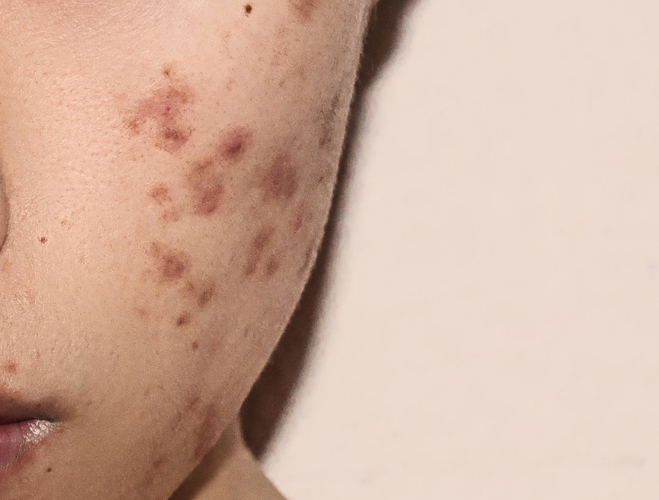
What makes pigmentation particularly challenging to treat is its tendency to recur. Without identifying and managing the underlying trigger, whether that is ongoing UV exposure, hormonal fluctuation, or repeated inflammatory events, even the most effective clinical treatments will produce only temporary results. This is why a thorough understanding of your pigmentation type and its root cause is essential before any treatment begins.
Our Approach to Pigmentation
Every pigmentation case is different, which is why we begin with a detailed Consultation.We assess the type of pigmentation you are experiencing, identify what is driving it, and evaluate your skin's overall health before making any treatment recommendations.
Our approach is layered and progressive. We address the root cause first, whether that is barrier compromisation, inflammation, or hormonal influence, and then combine targeted in-clinic treatments with a carefully prescribed homecare routine. Daily sun protection is non-negotiable in any pigmentation plan we design; without it, even the best treatment results will be undermined.
We are also honest about realistic timelines and outcomes. Some forms of pigmentation respond quickly and well to treatment; others, particularly melasma, require a more sustained, long-term management strategy. We will always set clear expectations and keep you informed throughout the process.
Common Questions About Pigmentation
How long does pigmentation take to improve?
This depends on the type of pigmentation and its depth within the skin. Superficial pigmentation such as sun spots often responds well within a few sessions of IPL. Deeper pigmentation, such as melasma, requires a more sustained approach, typically several months of consistent treatment and homecare, and needs to be carefully managed to prevent recurrence.
Can pigmentation come back after treatment?
Yes — particularly if the underlying trigger is not managed. UV exposure is the most common reason for pigmentation to return, which is why daily SPF is an essential, non-negotiable part of any pigmentation plan. We also address contributing factors such as inflammation and barrier health to reduce the likelihood of recurrence.
Does pigmentation treatment work on all skin tones?
Not all treatments are appropriate for all skin tones, and this distinction matters enormously. Skin of colour is particularly prone to post-inflammatory hyperpigmentation, and certain treatments that work well on fairer skin can be harmful if used incorrectly on darker tones. A specialist assessment is always essential to ensure a safe and appropriate approach for your specific skin.
Do I need to stop using my current skincare products?
Possibly. Some products, even those marketed for brightening, can be irritating or counterproductive if not suited to your skin. As part of your consultation, we will review your current routine and make specific recommendations that will actively support your treatment results.