
Skin of colour is not simply darker skin — it is skin with its own unique biology, its own strengths, and its own specific vulnerabilities.
If you have medium to deep skin tone and have ever felt that skincare advice, product recommendations, or treatment protocols were not quite designed with your skin in mind, you are right to question them. Here, specialist knowledge is not a bonus, it is the foundation of everything we do.
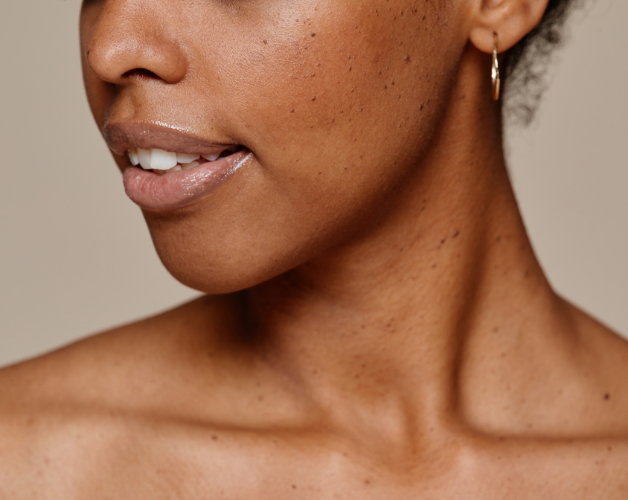
Understanding Skin of Colour
Skin of colour encompasses a broad and beautiful spectrum of tones, including South Asian, East Asian, Middle Eastern, Latin, and Black skin. While there is significant biological variation across this spectrum, melanin-rich skin shares some common characteristics that are important to understand and respect. The higher melanin content in skin of colour offers natural advantages: greater protection from UV radiation, a slower rate of visible ageing, and reduced risk of certain types of skin damage. However, it also comes with specific vulnerabilities that require expert management.
The melanocytes in skin of colour are more reactive and more easily stimulated. This means that post-inflammatory hyperpigmentation (PIH), the darkening of the skin in response to inflammation, trauma, or skin procedures, is a significant and ever-present concern. Even minor inflammation from an irritating product or an inappropriately chosen treatment can trigger noticeable pigmentation that may take months to resolve. This is why the approach to treating skin of colour must always begin with a commitment to doing no harm.
Skin of colour is also more prone to conditions such as keloid scarring, folliculitis (particularly related to ingrown hairs), and certain types of dermatitis. Many standard skincare recommendations, treatment protocols, and product formulations have historically been developed with lighter skin tones in mind, meaning that a generic or one-size-fits-all approach can be ineffective at best, and harmful at worst. Understanding and genuinely respecting the unique biology of your skin is not a luxury, it is a necessity.
Our Approach to Skin of Colour
We begin with a thorough and unhurried Skin Consultation, and we take particular care with skin of colour to ensure we fully understand your skin before recommending any treatments. This includes assessing your Fitzpatrick skin type, your history of PIH or scarring, your current skincare routine, and any previous treatments or reactions.
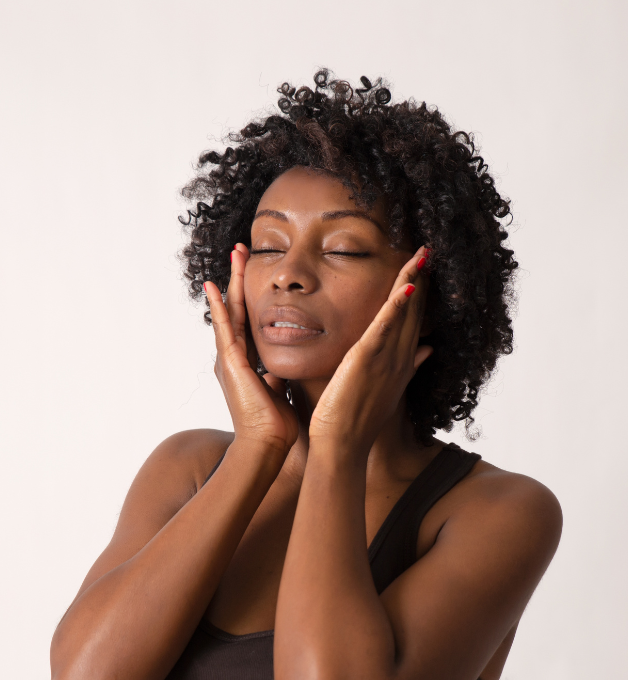
We take a careful, progressive approach, beginning with lower-intensity treatments that build the skin's health and resilience without triggering inflammation or unwanted pigmentation changes. We move forward at a pace that is appropriate for your skin, not dictated by a generic protocol. Our aim is always to achieve meaningful, lasting improvement safely.
We are also honest about which treatments are and are not appropriate for your skin tone. We will never recommend a treatment that carries a significant risk of harm, and we will always explain our reasoning clearly so that you can make informed decisions about your skin.
Common Questions About Skin of Colour
Is IPL safe for my skin tone?
Traditional IPL carries risks for medium to deep skin tones due to the potential for unwanted absorption of light energy, which can cause burns or pigmentation changes. It is not always appropriate, and this is something we assess carefully and honestly before making any treatment recommendations. We will always prioritise your safety over the appeal of a particular treatment.
I have been told my skin is "difficult" to treat. Is that true?
Absolutely not — and we would challenge that framing entirely. Skin of colour is not difficult; it is distinctive. It requires specialist knowledge, an appropriate approach, and genuine respect for its biology. In the right hands and with the right treatments, skin of colour responds beautifully. Our role is to ensure you receive the expert care your skin deserves.
I have dark marks left from past breakouts. Can these be treated?
Yes. Post-inflammatory hyperpigmentation is one of the most common concerns for clients with skin of colour, and there are effective, safe ways to address it. Treatment requires a careful, layered approach, managing inflammation, gently stimulating healthy cell turnover, and protecting the skin from further triggers. We will develop a personalised plan designed to deliver real improvement safely.
What should I avoid at home to protect my skin?
Some of the most common mistakes include using harsh physical scrubs, applying strong chemical exfoliants without professional guidance, and using any products that cause irritation, redness, or discomfort. These responses all carry a risk of triggering PIH in skin of colour. We will provide you with clear, specific homecare guidance as part of your consultation — including what to use, what to avoid, and why.
Your Next Steps
Your skin deserves care that truly understands it. If you are ready to work with a specialist who will approach your skin with the knowledge, care, and respect it requires, we would love to meet you.