
Dehydrated skin is one of the most commonly misunderstood skin concerns we see in clinic, and one of the most frequently misidentified.
Many people spend years trying to treat dehydrated skin as if it were dry skin, with limited results. Understanding the distinction and what your skin is actually lacking is the key to making real, lasting progress.
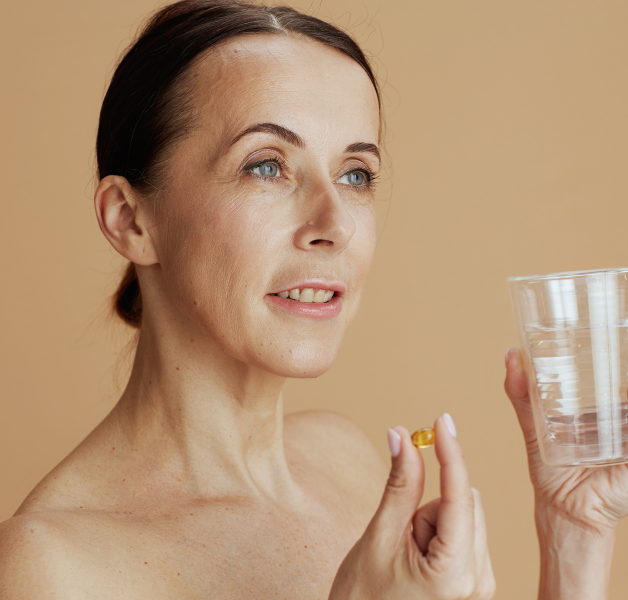
Understanding Dehydrated Skin
Unlike dry skin, which is a skin type defined by a lack of oil, dehydration is a skin condition, a temporary but often persistent state in which the skin is lacking water content. This distinction matters enormously because it changes the entire treatment approach. Crucially, dehydration can affect any skin type, including oily skin.
The skin's ability to retain water depends on the integrity of its barrier function and, specifically, on a system called Natural Moisturising Factor (NMF) a collection of water-attracting molecules held within the skin's outer layers. When the barrier becomes compromised, through over-cleansing, harsh product use, environmental exposure, nutritional deficiencies, inadequate water intake, or prolonged stress, the skin loses water more rapidly than it can replenish it. This results in transepidermal water loss (TEWL), and the skin begins to show the signs of dehydration.
Dehydrated skin typically presents as a dull, lacklustre complexion, a feeling of tightness (particularly after cleansing), fine surface lines that appear more pronounced throughout the day, and a skin that never quite feels settled or comfortable. One of the clearest indicators is that these "dehydration lines" temporarily disappear when the skin is pressed or stretched, unlike true wrinkles, which do not. Applying more moisturiser often provides only brief relief, because without addressing the barrier issue, the skin continues to lose water rapidly.
Our Approach to Dehydrated Skin
We begin with a comprehensive consultation to assess your skin's hydration levels, barrier function, and the factors that may be contributing to your dehydration. Because dehydration has many potential causes, from product misuse to environmental factors, understanding the full picture is essential before recommending a treatment pathway.
Our approach prioritises restoring barrier integrity and improving the skin's natural water-holding capacity. This means simplifying your routine where necessary, selecting homecare products that genuinely support barrier function, and combining this with in-clinic treatments that deliver meaningful, lasting improvement in skin hydration and resilience.
Many clients with dehydrated skin have inadvertently worsened the problem through over-treatment, too many actives, too frequent exfoliation, or too many conflicting products. Stripping the skin back to what it truly needs is often the most transformative step.
Common Questions About Dehydrated Skin
Can oily skin really be dehydrated?
Yes — and this is very common. When oily skin becomes dehydrated, it often produces even more sebum as a compensatory response: the skin senses water loss and attempts to compensate by increasing oil production. This creates a skin that is simultaneously oily and dehydrated, which is why addressing the barrier, rather than simply trying to control oiliness, is so important in these cases.
Does drinking more water fix dehydrated skin?
Drinking adequate water supports overall health and can contribute to skin hydration, but it will not resolve dehydrated skin on its own. If the skin's barrier is compromised, it will continue to lose water regardless of how much you drink. Barrier repair, through both appropriate homecare and professional treatments, is essential for lasting improvement.
How do I know if my skin is dehydrated or just dry?
A simple indicator is to gently pinch a small area of skin on your cheek: dehydrated skin tends to stay slightly tented for a moment before returning to its original position. You may also notice that your skin appears more lined throughout the day, particularly after cleansing. The most accurate assessment, however, comes from a professional skin consultation, where we can evaluate your barrier function and identify exactly what your skin needs.
Will my skin improve quickly?
Dehydrated skin often responds relatively quickly to the right treatment and homecare approach. Many clients notice meaningful improvements in comfort, bounce, and radiance within a few weeks of making the appropriate changes to their routine. In-clinic treatments accelerate this process significantly.
Your Next Steps
If your skin constantly feels tight, dull, or unsettled, regardless of how much you moisturise, it is time to look more closely at what is really happening at the barrier level. We can help you understand your skin, simplify your approach, and get real results.