
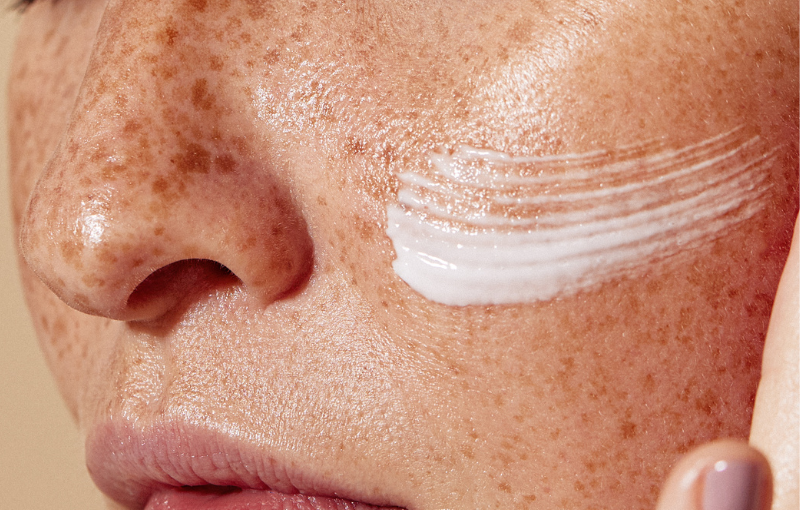
If you’re already managing pigmentation, the last stretch of warm, sunny weather has probably done more to your skin than you realise. It’s easy to assume that pigmentation only worsens after visible sun damage — a tan, a burn, an obviously “sun-kissed” few days away. In reality, the relationship between sun exposure and pigmentation is far more sensitive than that, and understanding why is the first step to protecting the progress you’ve already made.
Why Sun Exposure and Pigmentation Are So Closely Linked
Pigmentation forms when melanocytes — the skin cells responsible for producing melanin — are triggered into overproduction. This can happen for several reasons: hormonal changes, inflammation, injury to the skin, or, most commonly, UV exposure.
Here’s the part that catches most people out. Once melanocytes in a particular area have been triggered before, they stay more reactive going forward. That means existing pigmentation is significantly more sensitive to UV than the surrounding, unaffected skin. A run of high UV index days, like we’ve just had, can therefore have a disproportionate effect if you’re already dealing with pigmentation — even when the rest of your skin looks completely unaffected.
You Don’t Need a Tan or Sunburn for Pigmentation to Worsen
This is the misconception worth correcting: pigmentation doesn’t need visible sun damage to get worse. Even brief, incidental exposure — walking to the car, sitting near a window, eating lunch outside — can be enough to stimulate further melanin production in areas already prone to it.
UV damage that darkens existing pigmentation happens well below the threshold of burning, and often below the threshold of any noticeable colour change on the day it occurs. By the time you see the result, the exposure that caused it may have happened days or weeks earlier.
The Cumulative Effect: Why Pigmentation Seems to “Appear Out of Nowhere”
UV exposure builds on itself. Each exposure adds to melanocyte activity in the affected area, which is part of why pigmentation often seems to intensify suddenly after a sunny week or a holiday. It’s rarely one single moment — it’s an accumulation, with each small exposure compounding the last.
This cumulative nature is exactly why a run of sunny days, rather than one isolated event, is often more damaging to pigmentation-prone skin than people expect.
What This Means in Practice: Protecting Your Results
If you’re currently working on fading or managing pigmentation, weather like we’ve just had represents a critical window. Progress made through professional treatment or a consistent, targeted homecare routine can be undone far more quickly than it was achieved — simply because that skin is already primed to respond to UV.
Two things determine whether that progress holds:
Daily broad-spectrum SPF, reapplied during extended time outdoors. This is the non-negotiable. It applies on obviously sunny days, but just as much on overcast ones — UV index is not the same as visible sunshine, and cloud cover offers little meaningful protection against the wavelengths that drive pigmentation.
Consistency with pigmentation-targeted actives. Whatever is already working in your routine needs to keep happening, particularly through and after periods of higher UV. Consistency is what determines whether melanocyte activity is kept in check, or allowed to build again.
Understanding the Why Behind Your Pigmentation
Pigmentation is one of the more misunderstood skin concerns, largely because it responds to so many different triggers at once — hormones, inflammation, injury, and UV, often in combination. Treating the visible mark without understanding what’s driving it rarely leads to results that last.
That’s why the goal isn’t just to fade what’s already there, but to understand the specific pattern of triggers behind your pigmentation, so the progress you make actually holds.
Frequently Asked Questions
- Can pigmentation get worse without sunburn or a visible tan?
Yes. Pigmentation-prone skin can darken from UV exposure well before there’s any visible burning or tanning. The melanocytes in previously affected areas are more reactive, so even brief, incidental exposure can trigger further pigment production. - Does pigmentation get worse on cloudy or overcast days?
It can. UV index measures UV radiation reaching the earth’s surface, which isn’t the same as visible sunshine. Meaningful UV can still get through cloud cover, which is why daily SPF matters regardless of how sunny it looks outside. - Why does pigmentation seem to appear suddenly after a sunny week or holiday?
Because UV exposure is cumulative. Each exposure adds to melanocyte activity in the affected area, and pigmentation often becomes visibly worse only once that accumulation crosses a threshold — rather than after a single event.
Ready to Understand What’s Driving Your Pigmentation?
If you’d like to understand what’s triggering your own pigmentation and how to protect the progress you’ve already made, get in touch — I’m always happy to talk it through. Book a consultation here
