
Rosacea Treatment in Sheffield: Is Your Redness Actually Rosacea?
If your face has been persistently red, flushed, or prone to sudden colour changes for months or years, you’ve probably been given plenty of explanations for it — sensitive skin, too much wine, exercise, hormones, “just your complexion.” For a significant number of people, none of those explanations are quite right. What’s actually happening is rosacea, a genuine inflammatory skin condition that has very little to do with lifestyle and a great deal to do with how the skin’s blood vessels and immune response are behaving.
What Your Redness Might Actually Be
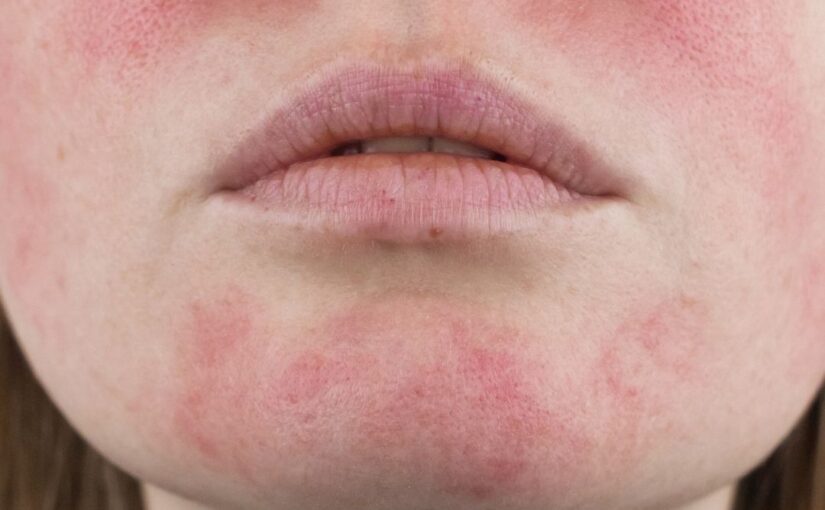
Rosacea is a chronic inflammatory condition that primarily affects the central face — the cheeks, nose, chin, and forehead. It shows up differently from person to person, which is part of why it’s so often missed. For some, it’s persistent redness and visible broken capillaries with a tendency to flush at the slightest trigger. For others, it includes breakout-like papules and pustules that closely resemble acne, thickened skin around the nose, or irritation affecting the eyes. Most people experience a combination of these, which is exactly why an accurate assessment matters more than guessing from a mirror.
Why It’s So Often Dismissed — Or Treated as Something Else
Rosacea has a habit of being misread. Persistent redness gets written off as “just how my skin is.” Flushing gets blamed on wine, heat, or stress, when in fact those are triggers reacting with skin that’s already inflamed, not the root cause. Most costly of all, the breakout-like element of rosacea is frequently mistaken for acne — and treated with the same drying, active-ingredient-heavy products used for acne. Rosacea-prone skin has a compromised barrier and heightened sensitivity, so this approach typically backfires, increasing redness, irritation, and flare frequency rather than calming it. Getting the diagnosis right the first time is one of the most important steps in actually improving the skin.
What’s Really Driving Rosacea
The exact cause of rosacea isn’t fully understood, but the evidence points to a combination of factors working together: dysregulation in the skin’s immune response, disrupted communication between nerves and blood vessels (which drives the flushing and visible redness), and, in many cases, an overgrowth of a naturally occurring skin mite called Demodex folliculorum. Underneath all of this, the skin’s barrier function is typically compromised, which is what makes rosacea-prone skin so reactive to triggers that wouldn’t affect unaffected skin at all.
This is an important distinction: heat, UV exposure, alcohol, spicy food, stress, and exercise don’t cause rosacea. They provoke a flare in skin that’s already in a sensitised, hyperreactive state. Understanding this changes the entire approach — rather than simply avoiding triggers indefinitely, the goal is to calm and stabilise the skin itself, so it becomes less reactive to begin with.
Why Getting It Addressed Early Matters
Left unmanaged, rosacea tends to progress rather than stay the same. Flushing episodes typically become more frequent, redness becomes more constant rather than intermittent, and visible vessels become more pronounced over time. Rosacea can’t be cured, but it responds very well to appropriate, early management — and the sooner the underlying inflammation and barrier compromise are addressed, the more stable and comfortable the skin tends to remain long-term.
Rosacea Treatment in Sheffield: A Specialism, Not a Guessing Game
Rosacea is one of the conditions we see and manage most closely at our Sheffield clinic, precisely because it’s so frequently misdiagnosed and mistreated elsewhere before clients find us. Every case starts with a thorough consultation, where we identify which subtype (or combination of subtypes) you’re presenting with, assess your skin’s barrier integrity, and take the time to understand your personal trigger landscape — because a generic rosacea protocol simply doesn’t exist.
Our approach always prioritises reducing inflammation and strengthening barrier function first, creating a more stable foundation before introducing anything more active. Depending on what your consultation reveals, this might include Byonik Pulsed Triggered Laser, one of the most effective and well-tolerated treatments for rosacea-prone skin, which reduces inflammation and repairs the barrier without the heat or aggression that can provoke a flare; IPL, a well-established option for the vascular side of rosacea, targeting visible broken capillaries and persistent redness with precision when performed by a trained specialist; exosomes, which deliver anti-inflammatory and regenerative signals well suited to reactive, sensitised skin; and bespoke facials formulated specifically to calm and support rosacea-prone skin without triggering irritation. We also provide clear, simplified homecare guidance, since the products used at home play a significant role in either supporting or undermining progress.
Frequently Asked Questions
How do I know if my redness is rosacea and not just sensitive skin?
Persistent redness that doesn’t fully settle, a tendency to flush more easily and dramatically than most people, and visible thread veins are all common signs of rosacea rather than general sensitivity. A professional assessment is the only reliable way to tell the two apart, as the correct treatment approach differs significantly.
Is rosacea the same as acne?
No, though the two can look similar. Rosacea can cause papules and pustules that resemble acne, but the underlying cause and correct treatment are entirely different. Using acne treatments — particularly drying, active-ingredient-heavy products — on rosacea-prone skin can make redness and irritation considerably worse.
Can rosacea be cured?
Rosacea is a chronic condition and very often genetic, so it can’t be cured outright. However, with the right approach, it can be very well managed. Many clients see a significant reduction in redness, fewer flare-ups, and noticeably calmer, more resilient skin with consistent treatment and appropriate homecare.
Will my skin always be this reactive?
Not necessarily. Treatment approaches that focus on repairing the barrier and reducing underlying inflammation often lead to skin that’s measurably less reactive over time. Reducing sensitivity, not just managing symptoms in the moment, is a core goal of how we treat rosacea.
Where can I get rosacea treatment in Sheffield?
We offer specialist rosacea and facial redness assessments at our Sheffield clinic, combining accurate diagnosis with evidence-based in-clinic treatment and tailored homecare. If you’ve been told your redness is “just sensitivity” or have tried acne treatments without success, a consultation is the place to get a proper answer.
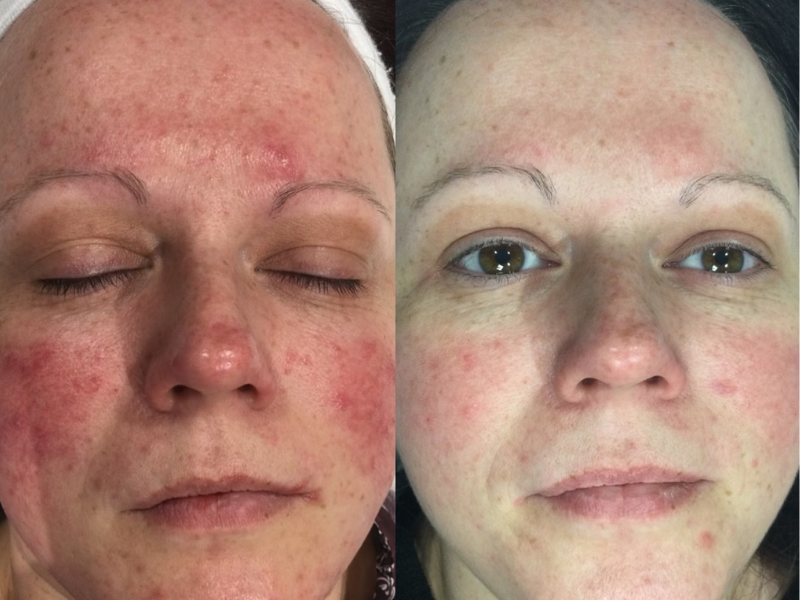
Here is an example of the results we get for our rosacea clients. This client had struggled for years with her rosacea, after 9 months the result was calm, less reactive skin and a client that felt confident again in her skin. No longer did she need to apply makeup to do the school run, or stress about a night out and how her skin was going to behave. Her skin was much more predictable, calmer and comfortable, for the first time in years.
Ready to Understand What’s Really Behind Your Redness?
If your skin has been persistently red, flushed, or reactive and you’ve never had a clear answer as to why, an accurate assessment is the place to start. Based in Sheffield, Myself and my team are happy to talk you through what’s actually happening in your skin and what a treatment plan built around it looks like. It’s starts with a consultation. Book Now
