
Rosacea is a chronic, progressive inflammatory skin condition that primarily affects the central face, the cheeks, nose, chin, and forehead. It is characterised by persistent redness, visible broken capillaries, episodes of flushing, and in some subtypes, papules and pustules that closely resemble acne.
This often leads to misdiagnosis and, consequently, the wrong treatment approach, which can make the condition significantly worse.
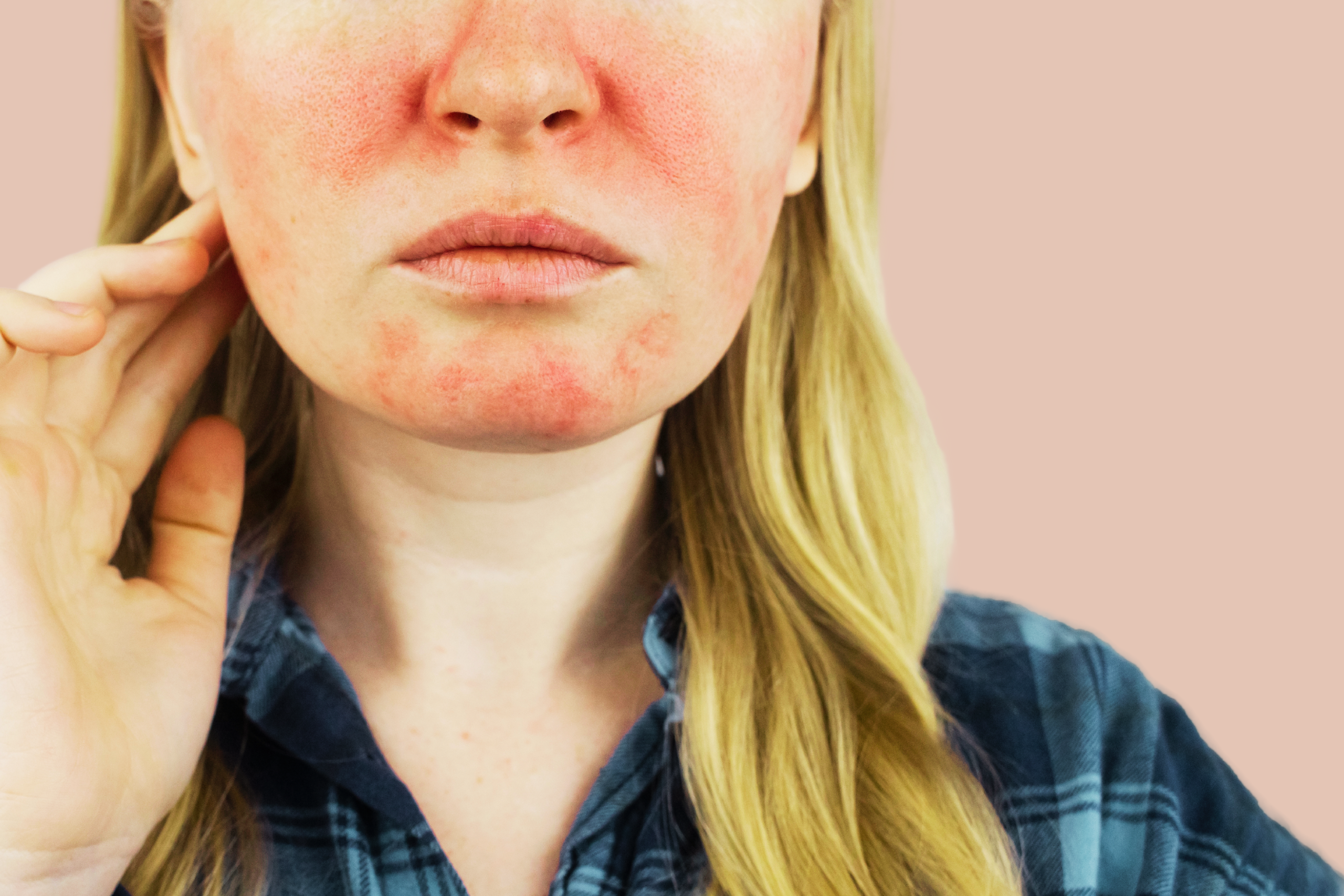
Understanding Rosacea
The exact cause of rosacea is not fully understood, but research points to a combination of immune dysregulation, neurovascular dysfunction, and the overgrowth of a skin mite called Demodex folliculorum. The skin's barrier function is also typically compromised in rosacea, making it highly reactive to a wide range of environmental and topical triggers.
Heat, UV exposure, alcohol, spicy foods, stress, exercise, and many common skincare ingredients can all provoke a flare, not because they are causing the rosacea, but because the skin is already in a sensitised, hyperreactive state.
Rosacea exists across four recognised subtypes: erythematotelangiectatic (redness and flushing), papulopustular (breakout-like lesions), phymatous (skin thickening, most commonly on the nose), and ocular (affecting the eyes). Many people experience features of more than one subtype, and identifying which subtype or combination is present is an important part of designing an appropriate treatment approach.
Left unmanaged, rosacea tends to worsen over time. Flushing episodes become more frequent, redness becomes more permanent, and vascular changes become more visible. This makes early, appropriate intervention important, not to cure rosacea, which is a chronic condition, but to manage it effectively and slow its progression.
Our Approach to Rosacea
Managing rosacea well begins with a thorough Consultation. Because rosacea presents differently in every client, and because so many common skincare ingredients and treatments can trigger a flare, a careful assessment is essential before any treatment begins.
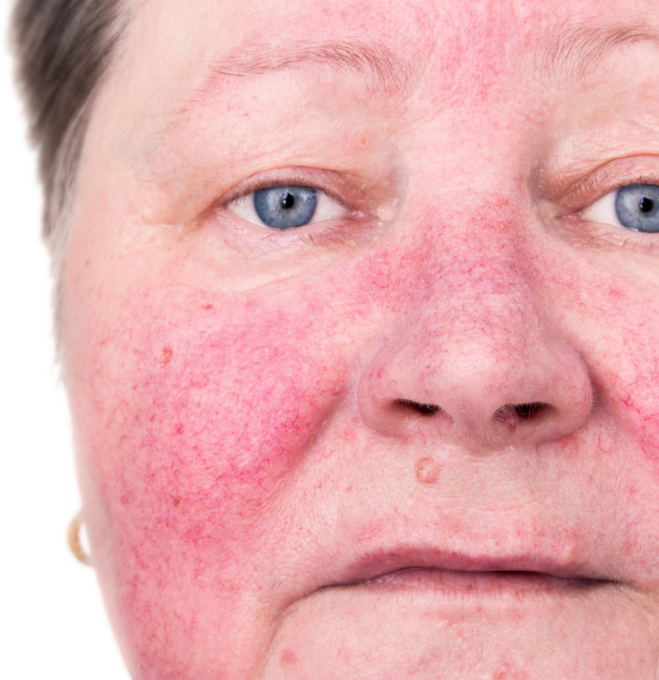
We identify your specific subtype, assess your skin's barrier integrity, and take the time to understand your personal trigger landscape. From there, we build a treatment plan that prioritises reducing inflammation and strengthening barrier function first — creating a more stable foundation before introducing any more active corrective treatments.
We also provide clear guidance on homecare, as the products and ingredients you use at home play a significant role in either supporting or undermining your skin's progress. Simplicity, suitability, and consistency are the cornerstones of our rosacea management approach.
Common Questions About Rosacea
Is rosacea the same as acne?
No — though they can look similar. Rosacea can cause papules and pustules, which are sometimes called "rosacea breakouts," but the underlying cause and appropriate treatment approach are entirely different. Using acne treatments, particularly those that are drying or contain strong active ingredients, on rosacea-prone skin can significantly worsen the condition. Correct diagnosis is essential.
Can rosacea be cured?
Rosacea is a chronic condition, meaning it cannot be cured entirely. However, with the right approach, it can be very well managed. Many clients experience significant reductions in redness, fewer flare-ups, and greatly improved skin resilience and comfort with consistent treatment and appropriate homecare.
Will my skin always be this sensitive?
Not necessarily. With the right treatment approach — particularly those that focus on repairing the skin barrier and reducing underlying inflammation — many clients find that their skin becomes noticeably less reactive over time. Managing and reducing sensitivity is a core goal of our rosacea protocols.
Is IPL safe for rosacea?
Yes — when performed by a trained specialist following a proper skin assessment, IPL is one of the most effective and well-established treatments for the vascular component of rosacea. We always carry out a thorough assessment before recommending IPL to ensure it is appropriate for your skin tone, subtype, and current skin state.
Your Next Steps
If your skin is persistently red, reactive, or frequently flushing, early and appropriate assessment is key. The sooner the right management strategy is in place, the better the long-term outcome. We are here to help you understand your skin and take back control.