
Acne is far more than a teenage skin concern. It is one of the most prevalent inflammatory skin conditions seen in clinical practice, affecting people of all ages and backgrounds. Whether you are experiencing your first breakout at 30 or have been managing acne since adolescence, the impact on your confidence and quality of life is very real.
What is often misunderstood is that acne is not caused by dirty skin or poor hygiene. It is a complex, multifactorial condition rooted in the biology of the skin itself — and it deserves to be treated as such.
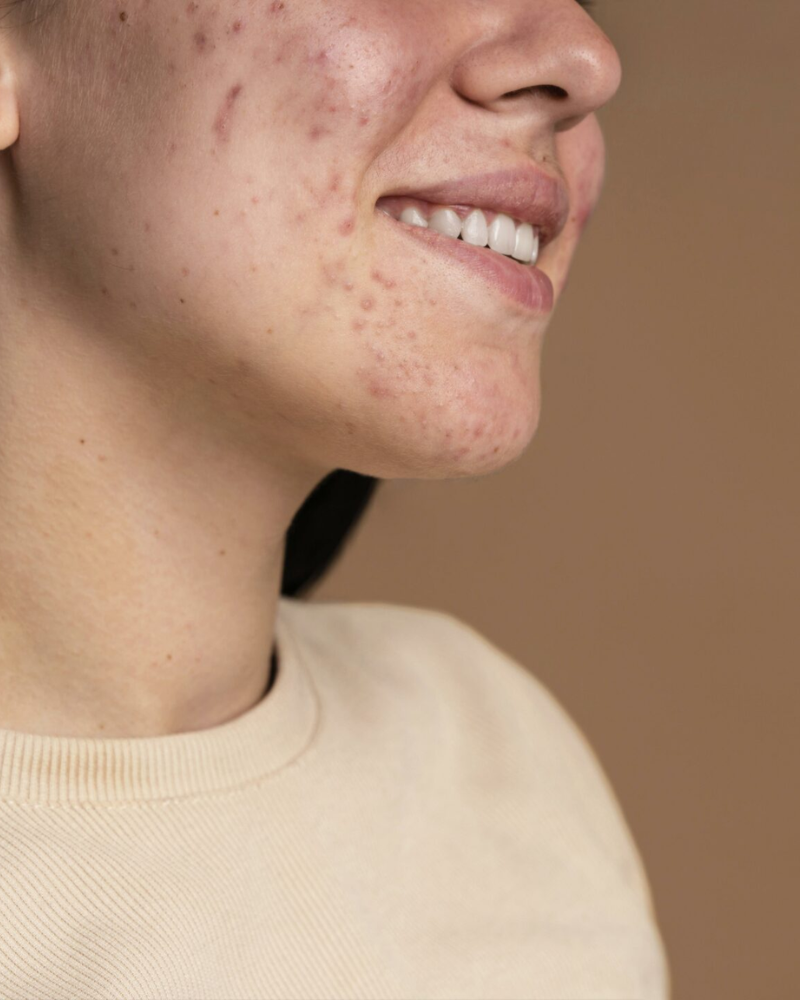
Understanding Acne
At its core, acne develops when hair follicles become blocked with a combination of dead skin cells and excess sebum — the skin's natural oil. Within this blocked environment, a bacterium called Cutibacterium acnes proliferates, triggering an inflammatory response. The result is the range of lesions we associate with acne: blackheads, whiteheads, papules, pustules, nodules, and in more severe cases, cysts.
What drives this process varies significantly from person to person. Hormonal fluctuations whether related to puberty, the menstrual cycle, pregnancy, or conditions such as PCOS, are among the most common contributing factors. Stress, diet, certain medications, and even the products you are applying to your skin can all play a role. For some, the issue lies in an overactive sebaceous gland; for others, it is a compromised skin barrier or a heightened inflammatory response.
Understanding your acne, its type, its triggers, and its contributing factors, is the foundation of any effective treatment plan. Without this, treating acne becomes a process of guesswork and results are often short-lived. Left unaddressed, acne can also lead to post-inflammatory pigmentation and scarring that persists long after breakouts have cleared.
factors that can cause acne
-
excess keratinisation
If dead cells are not exfoliated from the skin’s surface, they can cause the hair follicle to become blocked. The oil will then not be able to reach the skins surface. The P.acnes bacteria present in the follicle will continue to feed on the oil being produced, resulting in inflammation and pus within the pore. This type of acne spot is called a pustule.
-
hormones
Hormonal changes and sensitivity play a huge role in acne. Hormones can cause excess oil to be produced and this will often be thicker or stickier than normal. The change in the oil’s consistency can make it difficult for the oil to travel up the hair follicle to reach the skin’s surface. Mix this scenario with dead skin cells and a blockage in the follicle can occur.
-
medication
Some medications, such as the contraceptive pill, can cause a change in hormone levels. Other medications change the PH and micro flora balances of the skin. Either of these changes can cause inflammation due to microorganisms entering the skin and/or excess keratinisation.
grades of acne
Open and closed (blackheads) comedones usually in the t-zone area of the face and possibly excess oil production. No inflammation will be present.
Open and closed comedones, with some papules and pustules (spots with or without yellow/white centres).
Papules and pustules across the t-zone and cheeks of the face. These spots may also be present on the chest and back at this grade.
Comedones, papules and pustules over the entire face with high inflammation levels. The condition may also be present on the chest and back. There may also be painful nodules and sometimes cysts.
At grade 5, the condition will be highly inflamed and chronic in all areas. Nodules and cysts will also be present on the face, chest and back.
Our Approach to Acne
At our clinic, every acne journey begins with a thorough Consultation. There is no such thing as a one-size-fits-all acne protocol. We take the time to understand your skin's history, your lifestyle, your current routine, and your goals before recommending any treatment pathway.
We look beyond the surface to identify what is truly driving your breakouts, whether that is barrier compromise, inflammation, hormonal influence, or a combination of factors. From there, we create a bespoke treatment plan that combines in-clinic treatments with a carefully selected homecare routine designed to work alongside your skin, not against it.
Our approach is always progressive and evidence-based. We prioritise healing and stabilising the skin first — reducing inflammation and strengthening the barrier — before introducing more corrective treatments. Where post-acne scarring or pigmentation is present, we address this as part of a broader treatment plan.
Treatments We recommend For Acne
-
Byonik PTL
When the skin is in an inflamed, reactive state, aggressive treatments often do more harm than good. Byonik works gently but powerfully to reduce inflammation, repair the skin barrier, and energise skin cells at a cellular level. It is an ideal first-stage treatment for acne-prone skin, calming the skin and preparing it to respond more effectively to subsequent treatments.
-
Mirconeedling
For those dealing with post-acne scarring or textural changes, microneedling is one of the most effective treatments available. It works by creating controlled micro-channels in the skin that stimulate the body's natural healing response and collagen production, gradually improving the appearance of scarring and refining skin texture.
-
Exosomes
Exosomes are a powerful regenerative treatment that supports skin healing and repair. Combined with microneedling or used as a standalone treatment, exosomes deliver growth factors and signalling molecules that accelerate cellular recovery and support healthier, more resilient skin.
Common Questions About Acne
Can I have treatments while I have active breakouts?
Yes, in many cases. However, the approach will depend on the type and severity of your breakouts. Some treatments are specifically designed to help reduce active inflammation, while others, such as microneedling, may need to be delayed until the skin is in a more stable state. We will advise you fully during your consultation.
How long will it take to see results?
Acne treatment is a journey, not a quick fix. Most clients begin to see meaningful improvement within 6 to 12 weeks, though this varies depending on the severity of the condition and how consistently the prescribed homecare routine is followed. We will always set realistic expectations during your consultation.
Will acne come back after treatment?
This depends on the underlying cause. Our aim is always to identify and manage the root triggers so that results are as long-lasting as possible. However, hormonal fluctuations and other lifestyle factors can cause breakouts to recur. Maintenance treatments and a consistent homecare routine play an important role in keeping the skin stable over time.
Can the wrong skincare products make acne worse?
Absolutely, and this is more common than many people realise. Many over-the-counter products, including those marketed specifically for acne, contain ingredients that strip the skin barrier, cause irritation, or inadvertently clog pores. As part of your treatment plan, we will review your current routine and recommend products that actively support your skin's recovery.