
Find out more about common skin conditions, their treatments, and how Re-Skin Clinic can help you reach your skin goals.
rosacea
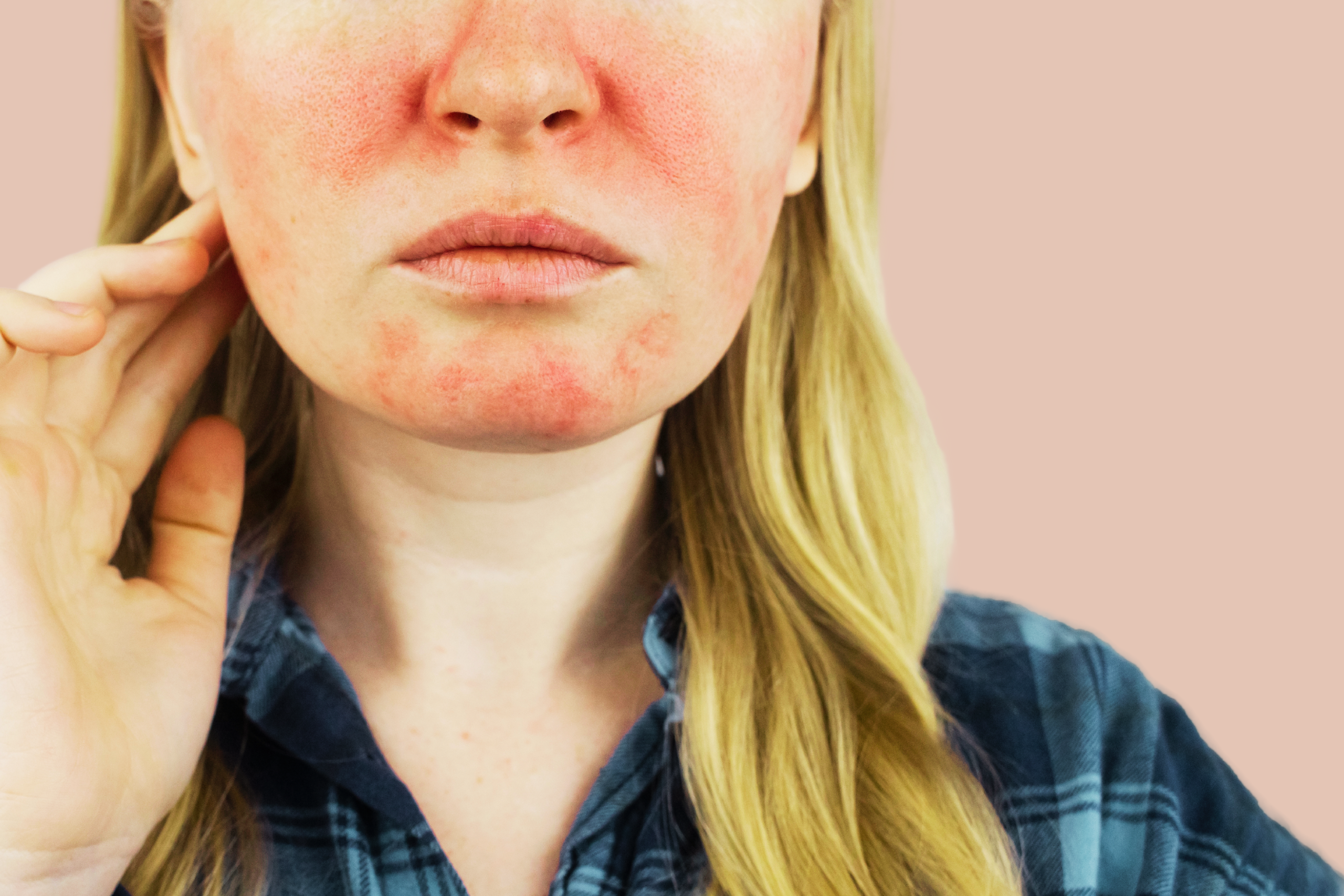
Rosacea is a chronic inflammatory skin condition that primarily affects the central face, presenting as persistent redness, visible blood vessels, sensitivity, and in some cases, papules and pustules that can sometimes be mistaken for acne. It is a complex, progressive condition, meaning that without appropriate management, symptoms often worsen over time.
acne
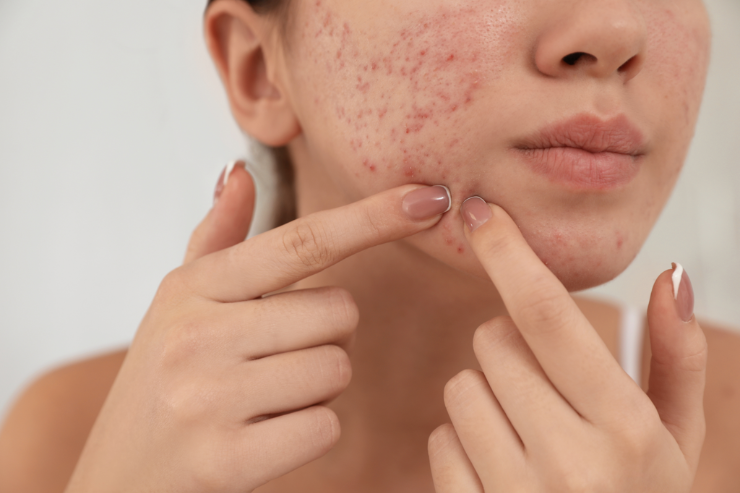
Are you experiencing congested skin or blemishes? Acne is one of the most common and misunderstood skin conditions, affecting people of all ages, not just teenagers. At its core, acne is an inflammatory condition influenced by a combination of factors. While it may seem like a surface-level concern, acne often runs deeper, both physically and emotionally. Without the right approach, it can lead to post-inflammatory pigmentation and scarring that persist long after the breakouts have cleared.
dehydration
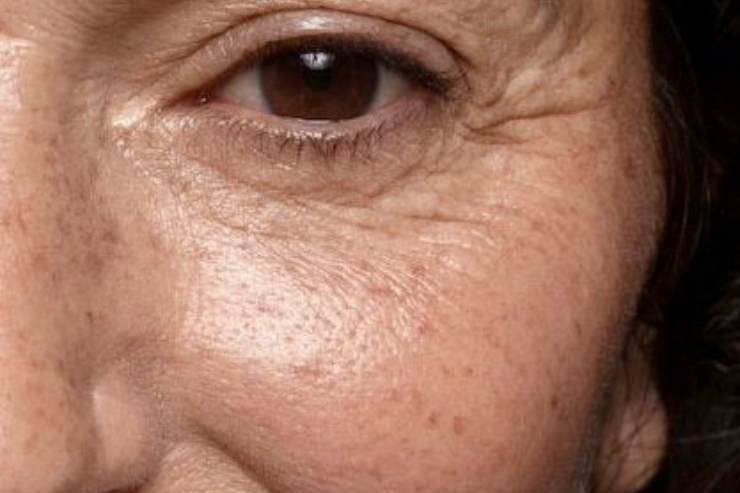
Dehydrated skin is often confused with dry skin, but the distinction matters. Where dry skin lacks oil, dehydrated skin lacks water, and importantly, dehydration is a condition that can affect any skin type, including oily skin. Dehydrated skin typically presents as dullness, tightness, fine lines that appear worse throughout the day, and a skin that never quite feels settled.

skin of colour
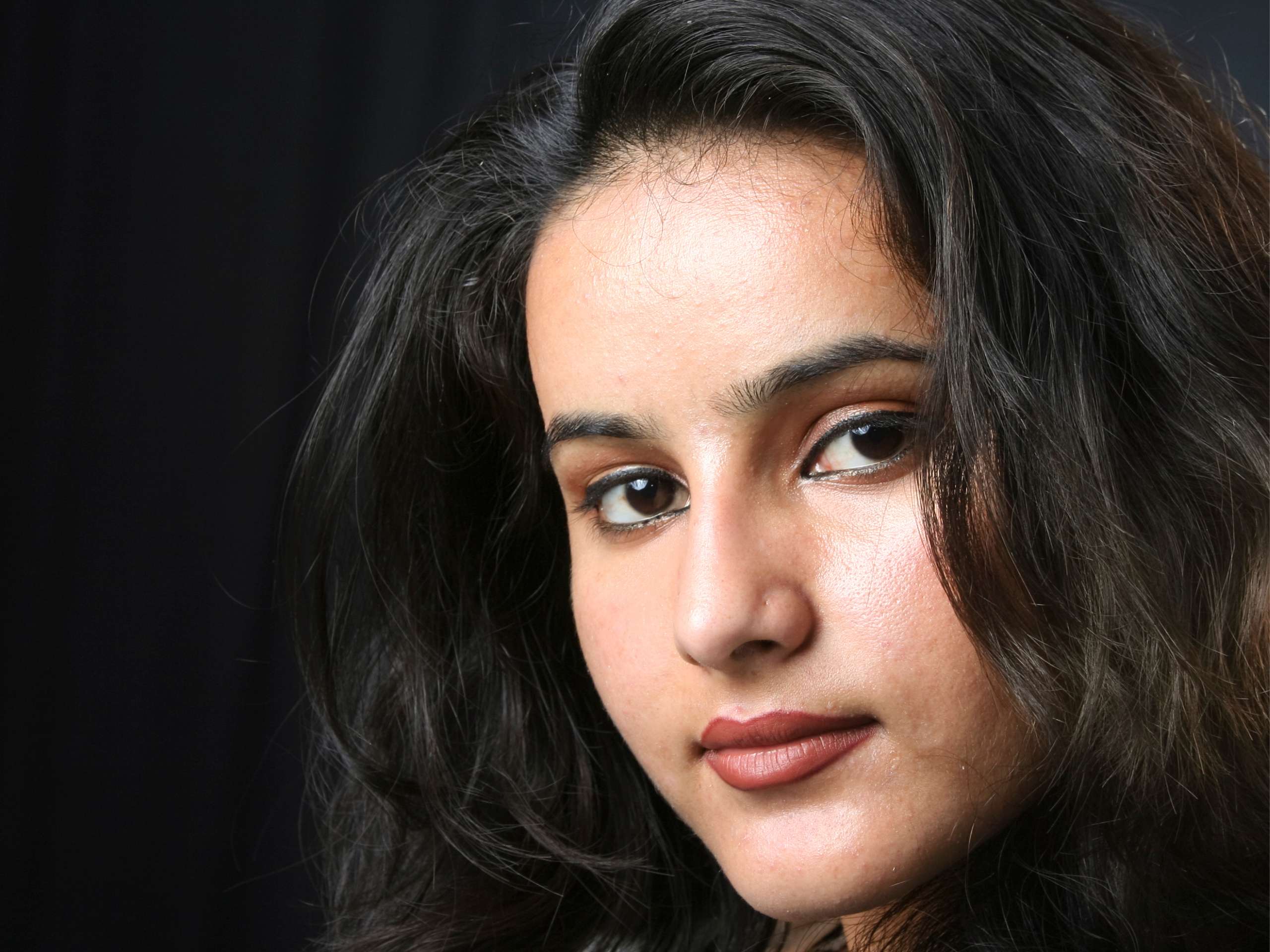
Women and men of colour can find it a challenge to find the right advice and practitioner experienced in treating darker skins. Skin of colour requires a considered, educated approach to treat them successfully. Here at RE/SKIN we have experience in the management and welcome skin of all colours and know the exact demands of black skin and the challenges in treating these skins.
ageing
Skin ageing is a natural process, but one that is significantly influenced by both intrinsic factors, such as genetics and hormonal changes, and extrinsic factors, including UV exposure, lifestyle habits, and environmental damage. Over time, collagen and elastin production slows, cell turnover decreases, and the skin loses volume, firmness, and resilience. The result is fine lines, deeper wrinkles, textural changes, and loss of definition.

dry skin
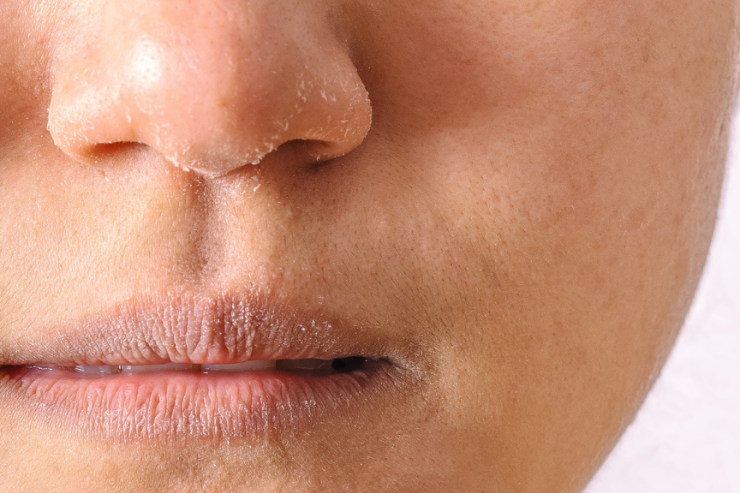
Dry skin is a skin type, not a condition, and it is defined by a structural lack of oil (lipids) within the skin. This means the skin struggles to retain moisture effectively, leading to a feeling of tightness, rough texture, flaking, and increased sensitivity. Dry skin is more prone to a compromised skin barrier, which can trigger inflammation and heighten the risk of developing conditions such as eczema or dermatitis.
oily skin
Oily skin is a skin type characterised by excess sebum production, resulting in a persistently shiny appearance, enlarged-looking pores, and can, but not always, have a tendency towards congestion and breakouts. While oiliness is largely genetic, it can be significantly influenced by hormonal activity, climate, diet, and, perhaps surprisingly, the wrong skincare routine. Over-cleansing, stripping products, and skipping moisturiser are among the most common mistakes that actually drive the skin to produce more oil as a compensatory response.
pigmentation
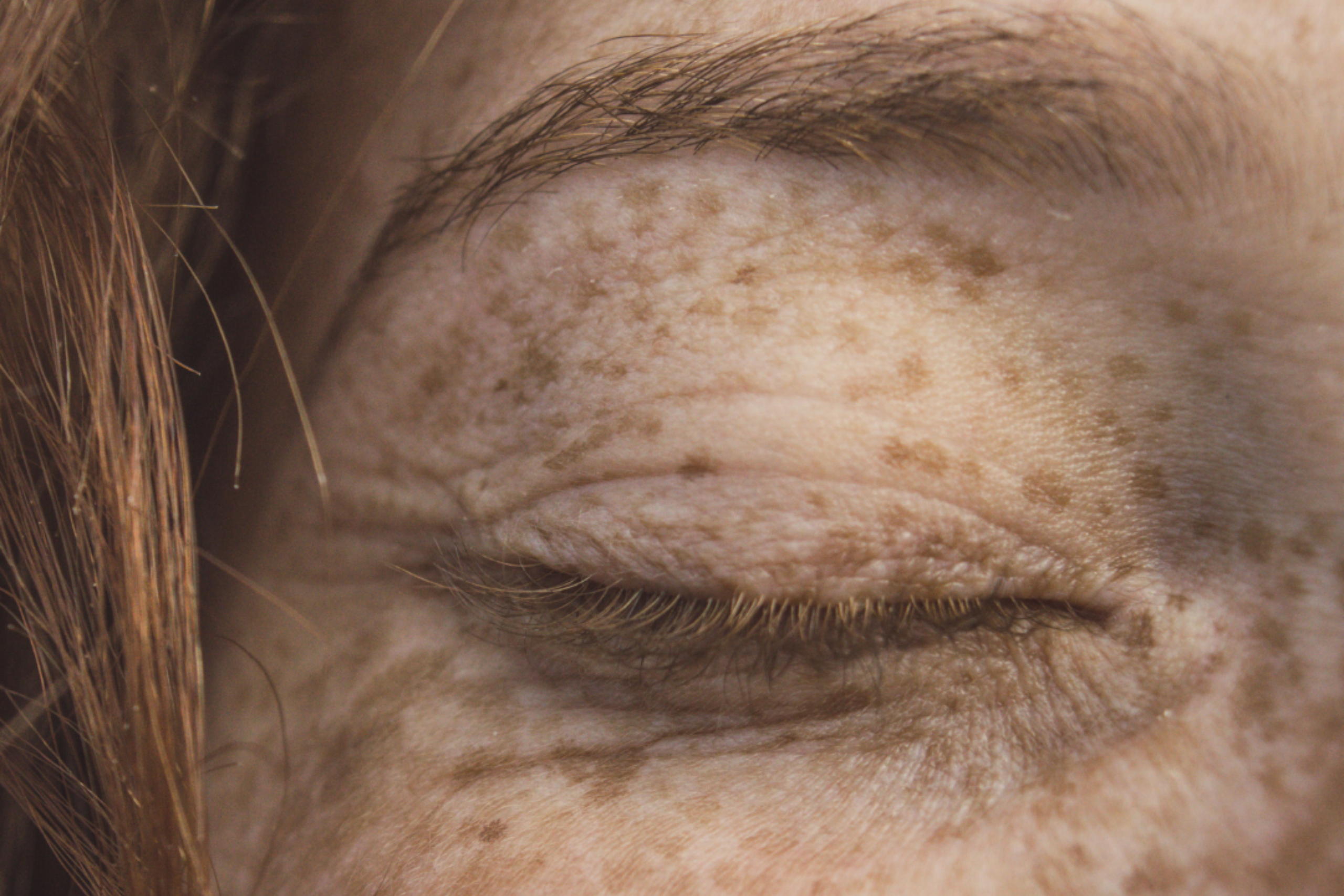
Pigmentation disorders occur when melanin, the pigment responsible for skin colour, is produced unevenly or in excess. This can present as sunspots, melasma, post-inflammatory hyperpigmentation, or general uneven skin tone. Pigmentation is notoriously one of the more challenging skin concerns to treat, because without identifying and addressing the underlying trigger, results are often temporary. An evidence-based, layered approach that combines professional treatment with the correct homecare is essential for achieving lasting clarity.